Yes, plumbers handle the pipework in a bathroom remodel: supply lines, drains, vents, shower valves and the final fixture hookups. The plumber is needed at two points, rough-in ahead of wall close-up and trim at the end. The amount of work turns on whether fixtures stay in place or move. Requests go from us to local plumbing businesses across Murrieta CA and the other service areas, and those businesses pay us a fee for the ones they take; the Murrieta Creek Plumbing home page has the details.
Do plumbers handle bathroom rebuilds?
Plumbers do the water, drain and vent work in a bathroom, but not the tile, drywall or cabinets. They replace or move pipes, set the shower valve, install the toilet, sink and tub, and test for leaks. A general contractor or a handyman usually coordinates the rest, and the plumber must be there at the right moments.
A remodel breaks into stages, and the plumbing sits on both ends:
- Demolition. Fixtures out, walls opened. Shutoffs get capped.
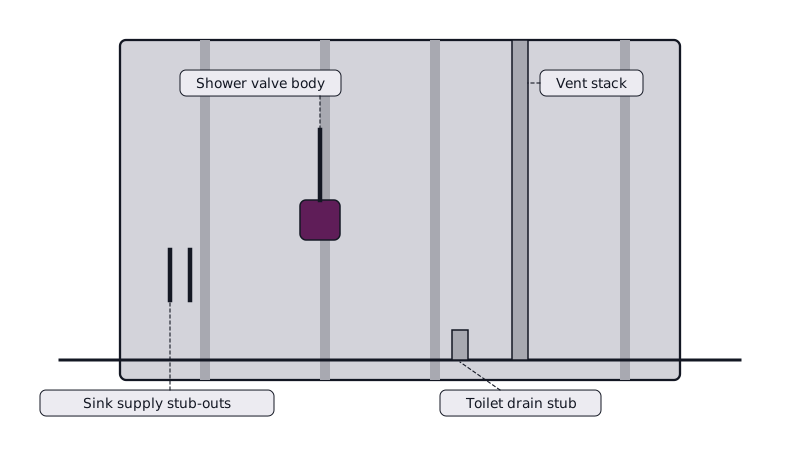
- Rough-in. New supply and drain lines, the shower valve body and vents go into the open walls or floor.
- Inspection, where a permit applies. The building office examines the rough work before the walls close.
- Close-up and finish. Waterproofing, drywall, tile.
- Trim. The plumber returns to fit the toilet, faucets, shower trim and shutoffs, then tests.
If the schedule slips between steps 2 and 5, the plumber often has to be rebooked, which is why timing is part of planning. Tell the person arranging the visit what stage you are at.
Which plumbing changes make a remodel cost more?
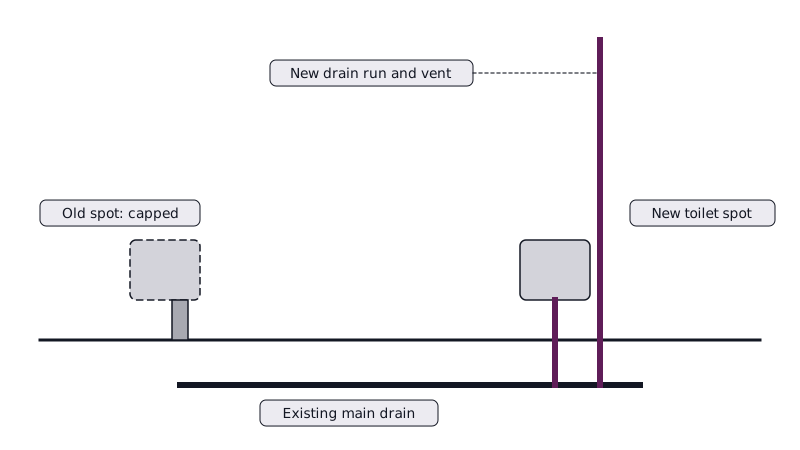
Moving things costs more than swapping them. Relocating a toilet, tub or shower means new drain lines and vents. On a slab, that means cutting concrete. Switching a tub to a walk-in shower, adding a second sink or opening a wall to a new location all add work. Replacing like for like is the cheapest route.
Changes ranked roughly by effort:
- Like for like. New faucet, toilet or vanity in the same spot.
- Shower valve swap. Needs access behind the wall, usually from the tile side or the next room.
- Tub to shower. Different drain and often a different valve.
- Moving a fixture a few feet. New rough-in, maybe a new vent.
- Adding a bathroom. New drain tie-in, new vent, new supplies, often a permit.
- Slab cutting. Needed when a drain runs under concrete.
Most Murrieta homes date from around 2000 or later, so the piping is newer than in older cities, though a plumber still needs to look at what is in your walls. Older houses, wherever they are, can need extra work to bring old piping up to standard. We do not list prices here, since the price depends on scope and the plumber quotes after a visit. Request a quote.
When does a bathroom remodel need a permit?
Often when plumbing is moved or added, and often not for a straight swap of fixtures. Rules vary, and only the city and county offices can say for sure, so ask. Inside Murrieta that means the City of Murrieta Building and Safety Division. Wildomar has a separate Building and Safety office of its own, while county offices serve unincorporated areas.
As a general rule, a California contractor license is needed when work requires a permit or when labor and materials reach $1,000. Look any contractor up through the website of the Contractors State License Board before you sign. On a large remodel the permit is usually taken out by the general contractor or the plumber, so ask whose job it is and get it written down.
If gas is involved, for example a gas wall heater, flue or a nearby appliance line, that is regulated work. See the gas line page.
What should be decided before the plumber arrives?
Choose the fixtures first. The rough-in depends on them: the toilet model fixes where the drain sits, the shower valve brand fixes the rough-in depth, and a freestanding tub needs a floor drain location. A plumber working from a wish and no model numbers can only guess.
A short checklist to settle in advance:
- Toilet, vanity, tub and shower models, or at least their specification sheets.
- Whether a shower valve will be thermostatic or pressure-balanced.
- Where niches and benches go, since pipes cannot run through them.
- Whether a wall must be opened into a neighboring room.
- Water pressure, since high pressure damages new valves. If yours is high, read about a pressure regulator.
- Where the main shutoff is, so a leak does not catch you out.
Old houses carry another worry: pre-1980 materials may include lead pipe, lead-based paint or asbestos. Ask a contractor about testing before demolition. California regulates the disturbance of these materials, and official guidance applies.
How do you avoid leaks and mistakes after the remodel?
Insist on a pressure test of the supply lines and a water test of the drains before walls close, and again after the fixtures are fitted. Take photographs of the open walls, so you know where pipes run. Then watch for drips and slow drains in the first weeks.
Remodel leaks usually happen at a few places: the shower valve behind the tile, a supply connector, a drain joint, or a toilet flange. Catching one early costs far less than tile repair. For ceilings below a bathroom, staining is a warning. See the ceiling water leak guide.
Hard water leaves spots and clogs aerators in new fixtures. Look at your water district's report and think about a filter or softener if it bothers you. For a toilet that plugs after the remodel, read about repairing a blocked toilet.
To line up a plumber for the job, send a request. It goes to one nearby plumbing business, and such businesses pay us a fee for requests they accept. Whichever business visits gives the price. Read how it works.
Common questions
How much time does the plumbing portion take?
Rough-in often runs a day or two and trim half a day to a day, but that depends on the scope. Moving drains in a slab takes longer. Tile and drywall set the calendar for the whole remodel more than plumbing does. Get the stages and their order in writing.
Can I do some of the work myself?
Often yes for demolition, painting and installing a vanity or toilet. Rough-in plumbing, gas lines and any permit work belong with a contractor, since errors end up hidden inside the walls. Ask your building office which work you may do yourself on your own home.
Should the plumber or the tile setter come first?
The plumber sets the shower valve and drains before the walls and waterproofing go on. The tile setter comes after the inspection. The plumber returns for trim after tiling. Sequencing is the thing to plan, so confirm dates with both before demolition begins.
Will I lose water for the whole house?
Usually only briefly, while the main valve is closed so lines can be cut. Many jobs add shutoffs so water stays on in the rest of the house during bathroom work. Ask the plumber when the main will be off, and schedule showers and laundry outside that window.
Last changed